Vision

Drosophila model system

From nutrient setpoints to metabolic disease.

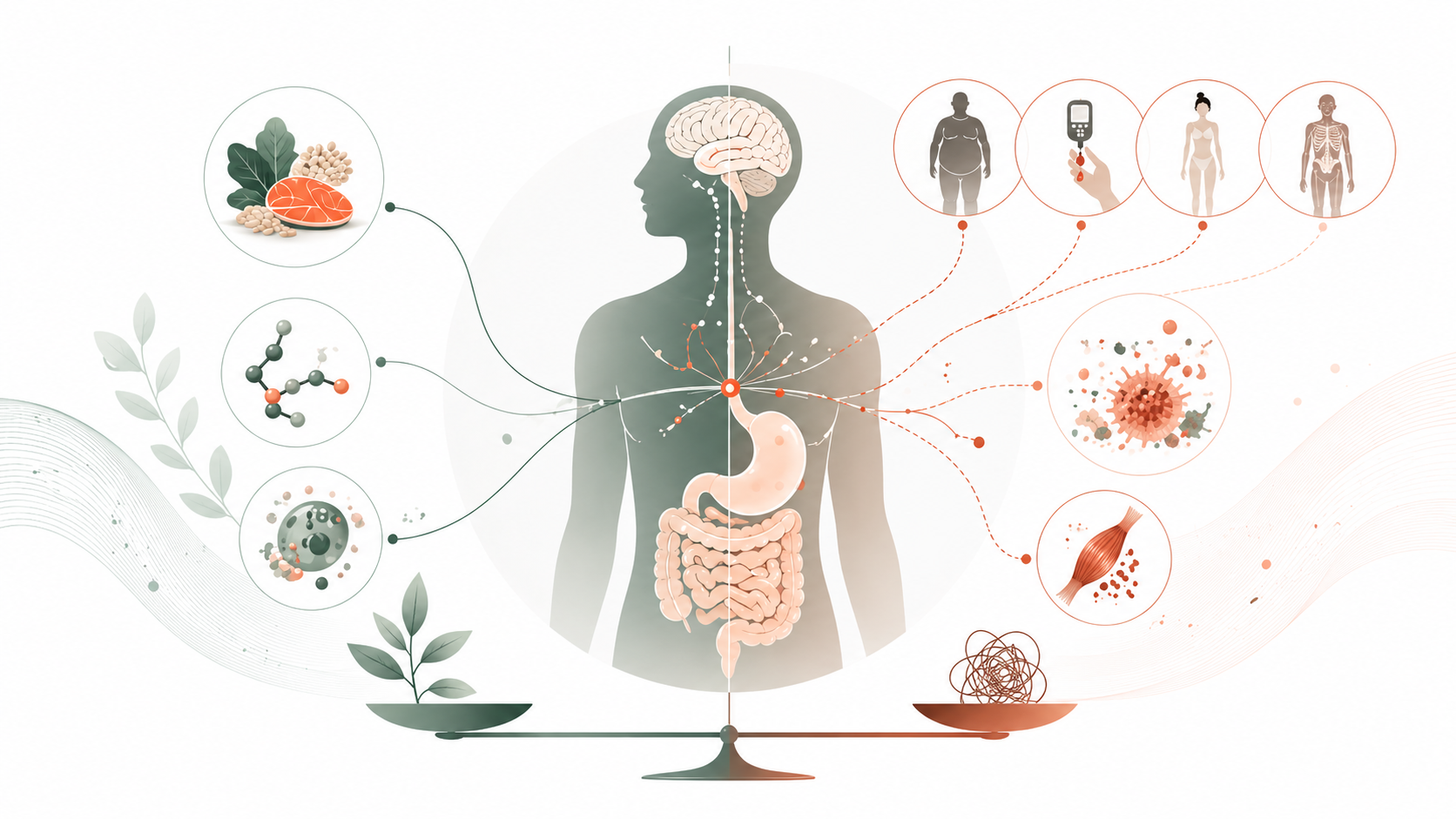
The long-term goal is to explain how adaptive internal need states are encoded, defended, and ultimately disrupted in disease.

Near term

Define how neural excitability stores nutrient-specific homeostatic targets.

Long term

Reveal how obesity, diabetes, anorexia, and cachexia rewire appetite control.

Trajectory

A research path shaped by channels, circuits, and metabolism.

Training

Ion channels and electrophysiology

Early work focused on channel biophysics, calcium signaling, and electrophysiological mechanisms across neuronal and organellar systems.

UCSF

Protein appetite and neural setpoints

Postdoctoral research established a systems framework for how neural excitability helps define nutrient-specific intake targets.

Next

Metabolic disease and cancer-associated disruption

The next phase asks how tumors and metabolic disorders distort homeostatic control, with the long-term goal of revealing therapeutic entry points.

Long-term vision

Understand when appetite is adaptive and when it becomes maladaptive.

We are especially interested in obesity, diabetes, anorexia, and cachexia-related conditions where appetite and metabolism become uncoupled.

Questions we want to answer next

  • How do metabolic signals reshape nutrient-specific setpoints?
  • Which firing patterns encode flexible versus fixed need states?
  • How do tumor-derived factors disrupt protein homeostasis?
  • Can restoring setpoint control improve health outcomes?